
What Are You Looking For?
-
Call us toll free : +8615915953572
Call us toll free : +8615915953572

From September 16 to 18, 2026, the 49th Asia Fashion Fair (AFF Tokyo 2026 Autumn) was held at Tokyo Big Sight (West Halls 3 & 4). Since its launch in 2003, AFF has grown into Japan's largest textile and fashion OEM/ODM trade show. Wonderful Bag (Guangzhou Wonderful Bag Co., Ltd.) exhibited its core bag collections, led by canvas tote bags, and met face to face with buyers from Japanese apparel brands, retailers, design studios and trading companies.
AFF states its visitors' three typical challenges plainly:
These map onto AFF's full product scope: apparel, fabrics, garment accessories, fashion accessories, home textiles and more. For a bag supplier, "can you take a small order?" and "can you document where the material comes from?" are usually the first two questions asked at the booth.
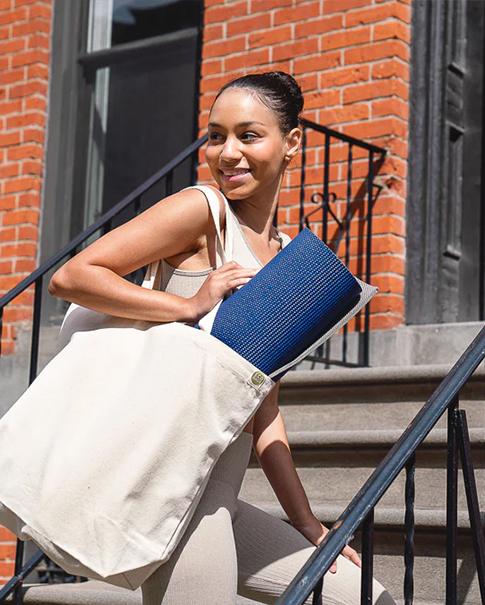
One: a canvas-led bag collection. Our booth featured canvas tote bags — commuter styles with leather handles, large-capacity shoppers and lightweight everyday totes — so buyers could compare fabric weight, stitching and handle construction side by side.
Two: credentials, out in the open. Our booth backdrop displayed the factory's qualifications — ISO, SGS, BSCI and GRS (Global Recycled Standard). For Japanese buyers, whether a material can be evidenced often decides whether the conversation moves on to sampling.
Three: flexible capacity that welcomes small orders. Twenty years of manufacturing experience, an 11,000 m² factory, 115 skilled workers and a six-person R&D team underpin low MOQ customization: 3-day sampling and 15-day delivery for light customization, with seven quality-control steps and 100% inspection.
Over the three days we spoke in depth with buyers from across the Japanese market, and their questions clustered around three points:
These three line up exactly with the small-lot production and environmentally conscious production AFF puts front and center. For a factory, what can be verified is what can be written into a purchase list.
Exhibiting at AFF Tokyo 2026 Autumn was an important step in building direct relationships with the Japanese market. Going forward we will keep doing three things: completing recycled-material options and their supporting certification files; standardizing our low-MOQ customization workflow; and turning the buyer requirements we collected on the show floor into product solutions that can be sampled immediately and delivered at volume.



Email : sales@wdfbag.com
Tel : +8615915953572
WhatsApp : +8615915953572
Guangzhou Wonderful Bag Co., Ltd.
© Guangzhou Wonderful Bag Co., Ltd. All Right Reserved.
 IPv6 network supported